
Understanding the Different Types of Water Damage and Cleanup Methods
Water Damage Services – 24/7 Emergency Services
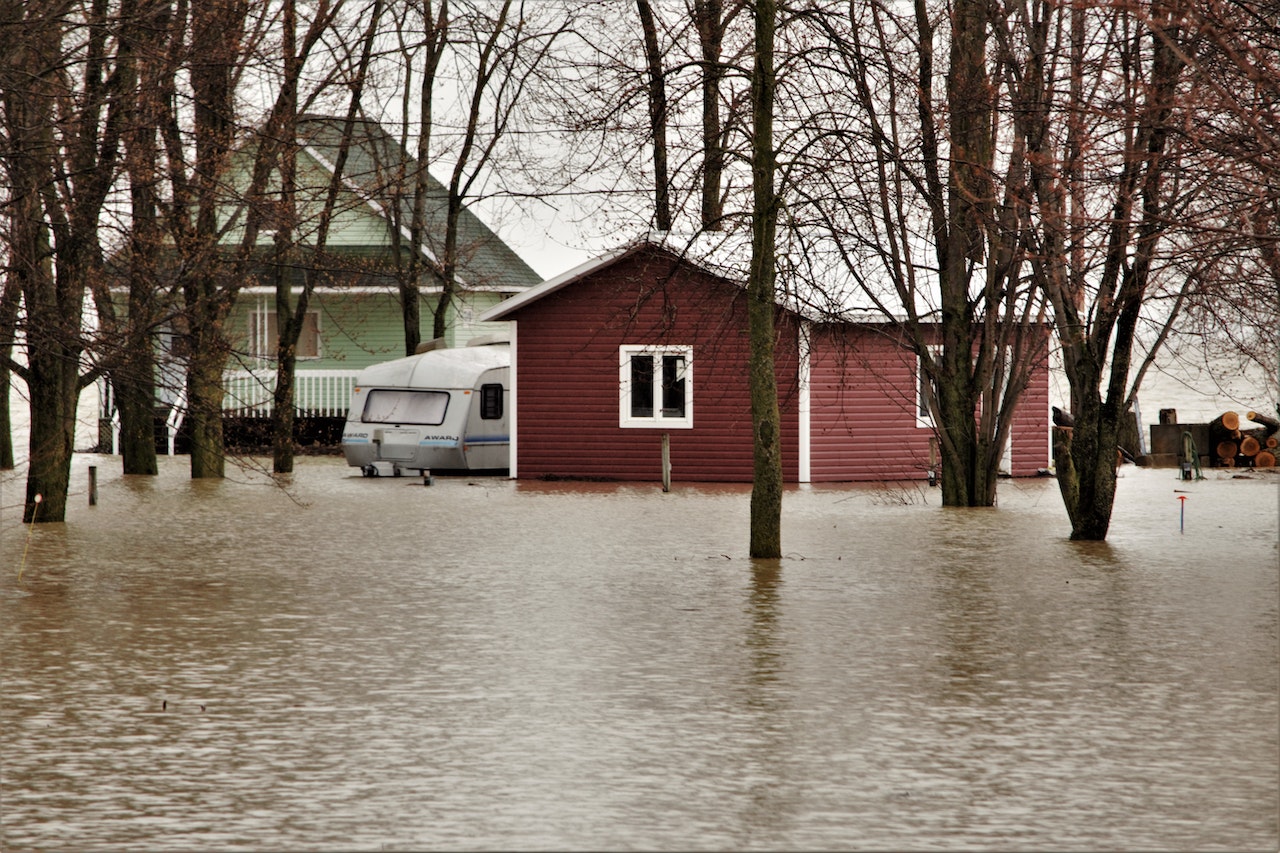
Water Damage and Cleanup Methods
Water damage is a common and often devastating issue that can affect homes and businesses alike. Whether it’s due to a burst pipe, a roof leak, or a natural disaster, water intrusion can lead to structural damage, mold growth, and pose health hazards to occupants. Proper water damage cleanup is essential to prevent further damage and restore the affected area to its pre-damage condition. However, different types of water damage require specific cleanup methods to ensure effective restoration. In this article, we will explore the various types of water damage and the appropriate cleanup methods to address each situation, providing valuable insights and guidance for homeowners and property managers.
Understanding the Types of Water Damage
- Water damage is categorized into three primary types based on the source of the water and the level of contamination.
- a. Category 1: Clean Water Damage
- b. Category 2: Grey Water Damage
- c. Category 3: Black Water Damage
Category 1: Clean Water Damage
Category 1 water damage involves clean water that originates from a sanitary source. Examples include broken water supply lines, leaking faucets, and rainwater. Clean water does not pose an immediate health risk, but it can become contaminated if left untreated or mixed with other substances.
Cleanup Method: Clean water damage generally requires minimal cleanup. The affected area should be promptly dried and sanitized to prevent mold growth and water damage escalation.
Category 2: Grey Water Damage
Category 2 water damage involves water that is slightly contaminated and may cause discomfort or illness if ingested. This type of water damage may result from washing machine overflow, dishwasher leaks, or sump pump failures.
Cleanup Method: Grey water damage cleanup involves more thorough cleaning and sanitization. Proper protective gear should be used during the cleanup process, and affected materials that cannot be adequately cleaned may need to be disposed of to prevent health hazards.
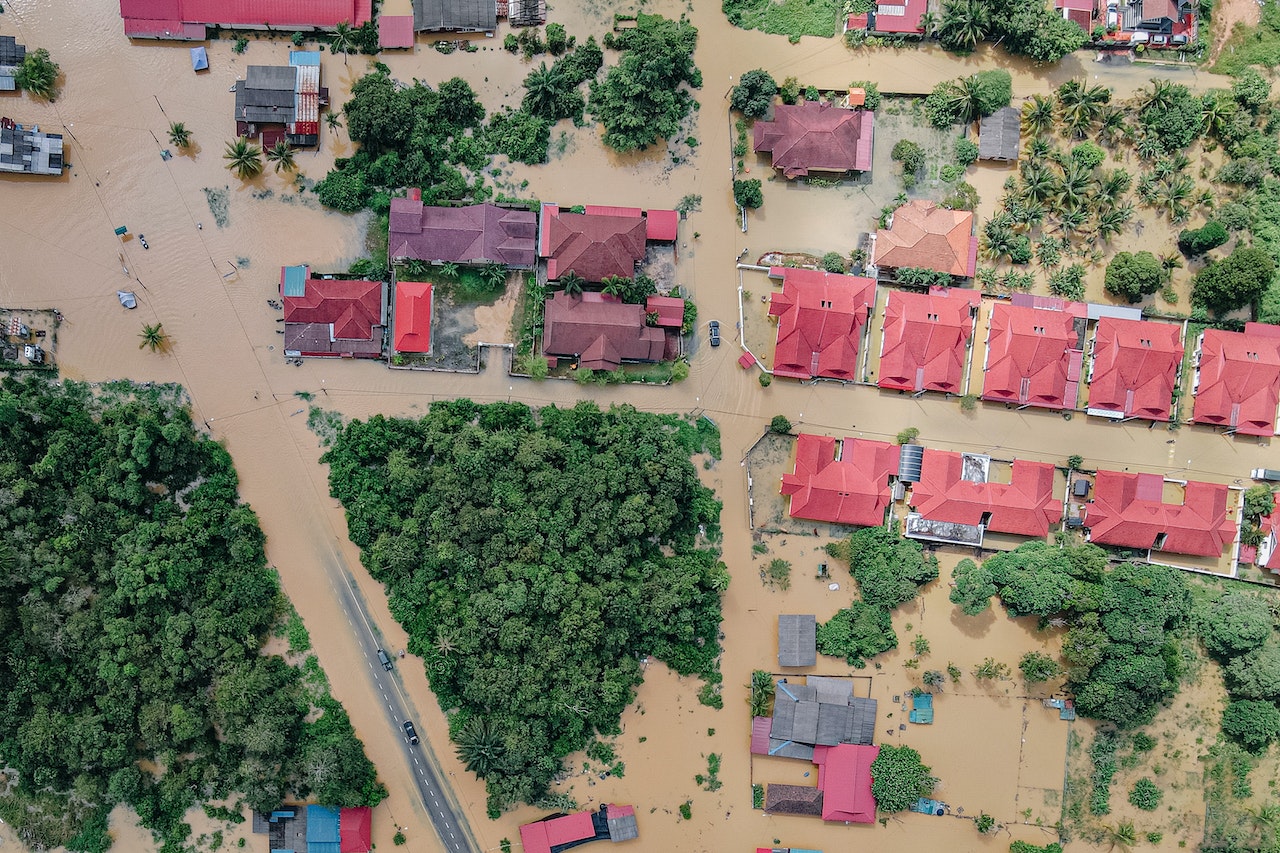
Category 3: Black Water Damage
Category 3 water damage involves highly contaminated water that poses significant health risks to occupants. This type of water damage can result from sewage backups, flooding from rivers or streams, or standing water that has become stagnant.
Cleanup Method: Black water damage requires extensive cleanup and sanitation. Professional restoration services equipped with specialized equipment and protective gear should handle the cleanup and disposal of contaminated materials. Additionally, thorough drying and dehumidification are essential to prevent mold growth and further damage.
Water Damage Cleanup Methods
Effective water damage cleanup involves a series of specific steps to mitigate further damage and restore the affected area to a safe and habitable condition:
Water Extraction and Removal: The first step in water damage cleanup is to extract standing water using pumps and vacuums. Prompt water removal prevents further saturation of materials and reduces the risk of mold growth.
Drying and Dehumidification: After water extraction, the affected area must be thoroughly dried using industrial-grade fans and dehumidifiers. Proper drying prevents structural damage and inhibits mold growth.
Cleaning and Sanitization: Once the area is dry, cleaning and sanitization are crucial to remove any remaining contaminants and ensure a safe environment. Professional-grade cleaning agents are used to disinfect surfaces and eliminate potential health hazards.
Restoration and Repairs: After the cleanup and sanitization process, the restoration phase begins. This involves repairing and replacing damaged materials, such as drywall, flooring, and insulation, to restore the area to its pre-damage condition.
The Importance of Professional Water Damage Restoration Services
While small water damage incidents may seem manageable, it is essential to engage professional water damage restoration services for larger or more severe cases. Here’s why professional assistance is crucial:
Expert Assessment and Action Plan: Professional restoration teams have the expertise to assess the extent of water damage and develop a comprehensive action plan tailored to the specific situation.
Specialized Equipment and Techniques: Restoration professionals use advanced equipment and techniques for efficient water extraction, drying, and sanitization, resulting in faster and more effective cleanup.
Mold Prevention and Remediation: Professionals can identify and address potential mold growth areas, taking preventive measures to mitigate the risk of mold infestations. If mold is already present, they can safely and effectively remove it.
Need Water Damage & Cleanup Services? – ACT FAST!
Understanding the different types of water damage and their respective cleanup methods is crucial for effectively addressing water intrusion incidents. Prompt and appropriate water damage cleanup is essential to prevent further damage and ensure a safe and healthy environment for occupants. While minor water damage incidents may be manageable with DIY efforts, it is highly advisable to seek professional water damage restoration services for larger or more severe cases. Engaging professionals ensures expert assessment, specialized equipment usage, and thorough restoration, providing homeowners and property managers with peace of mind and the assurance of a successful cleanup and restoration process.