
DIY Water Damage Cleanup: A Step-by-Step Guide and When to Call a Professional
Water Damage Cleanup – 24/7 Emergency Services
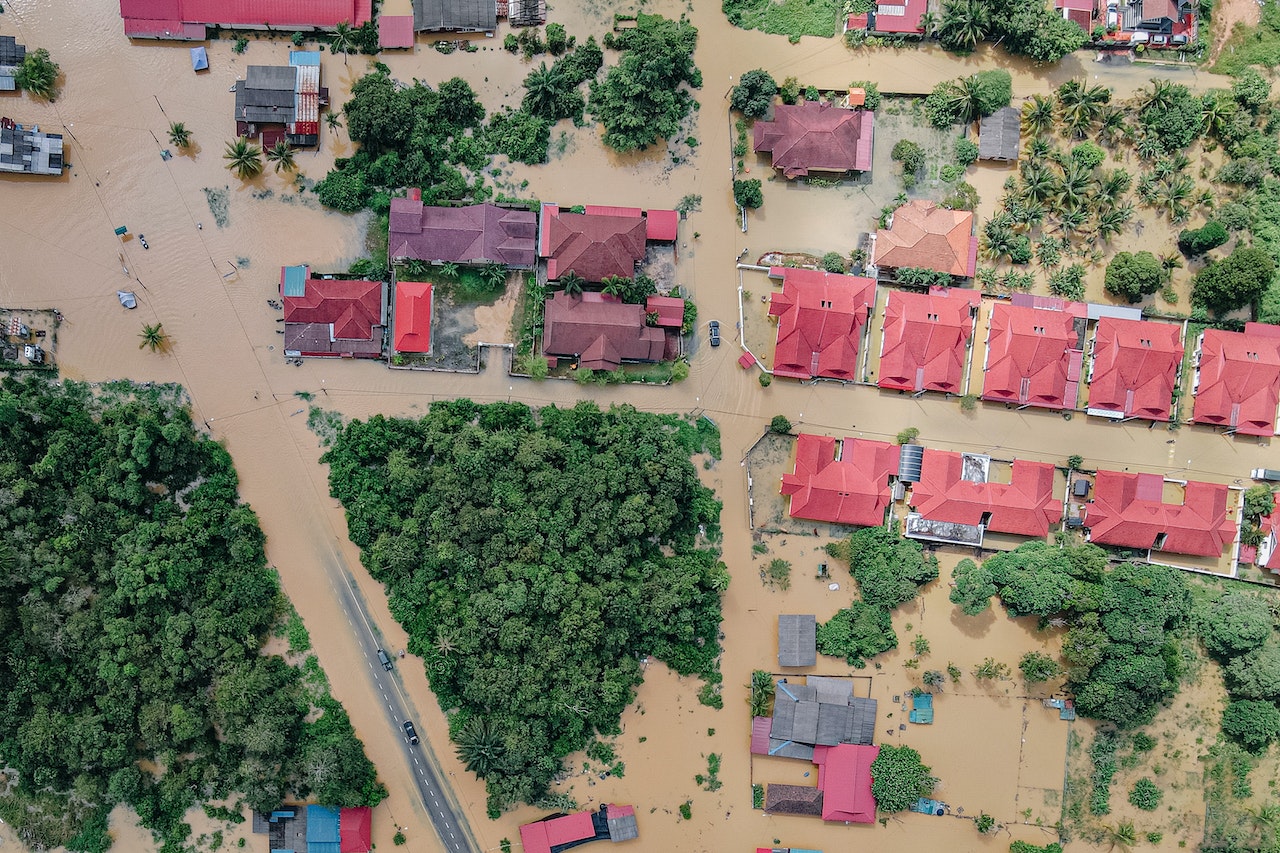
A Step-by-Step Guide and When to Call a Professional
Water damage in your home can be a stressful experience, and it’s natural to want to handle the cleanup yourself. While some water damage incidents can be successfully addressed through DIY efforts, it’s important to recognize when the situation exceeds your capabilities and professional help is necessary. In this article, we will provide a step-by-step guide for DIY water damage cleanup, empowering homeowners to take action. However, we will also emphasize the indicators that signify when calling a professional is the right choice. By understanding the process and recognizing the limitations, you can make informed decisions and protect your home effectively.
Step-by-Step DIY Water Damage Cleanup
Step 1: Ensure Safety First:
- Prioritize your safety by turning off the power supply to affected areas. Water and electricity are a dangerous combination.
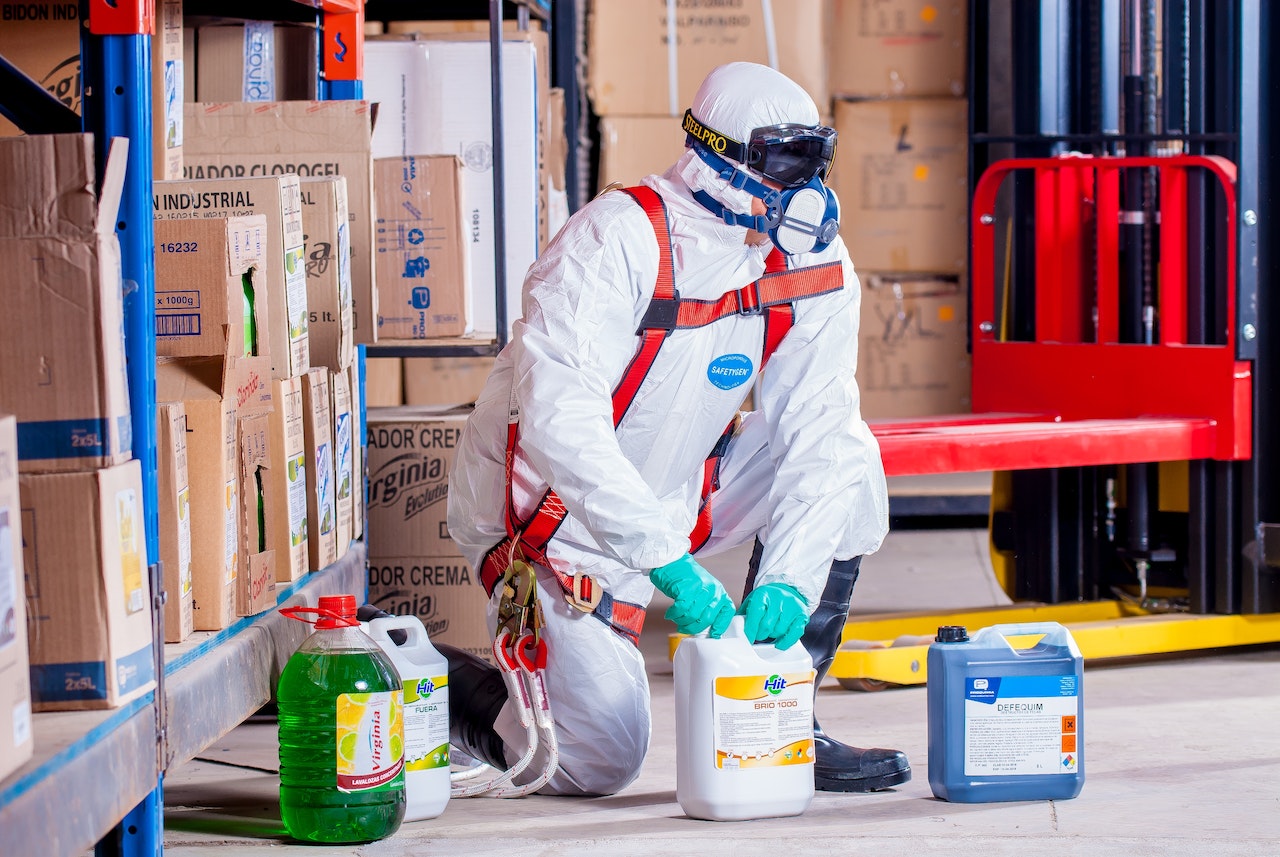
- Wear protective gear such as gloves, boots, goggles, and a mask to shield yourself from potential contaminants in the water.
Step 2: Assess the Extent of the Damage:
- Evaluate the affected area and determine the scope of the water damage. If it’s a small area or a minor leak, DIY cleanup may be feasible.
- Consider factors such as the amount of standing water, affected materials, and the potential for structural damage.
Step 3: Remove Standing Water:
- Use buckets, mops, or wet/dry vacuums to remove standing water from the affected area. Open windows and use fans or dehumidifiers to aid in drying.
- Exercise caution if the water is contaminated or if there are electrical hazards present. In such cases, professional assistance is recommended.
Step 4: Dry and Dehumidify:
- Thorough drying is crucial to prevent mold growth and further damage. Utilize fans, dehumidifiers, and natural ventilation to expedite the drying process.
- Monitor humidity levels with a hygrometer and ensure they stay within acceptable ranges (typically below 50%).
Step 5: Clean and Disinfect:
-
-
- Clean and disinfect the affected surfaces to eliminate bacteria or contaminants. Use appropriate disinfectants or cleaning solutions recommended for water damage restoration.
- Pay attention to hidden or hard-to-reach areas where moisture may have penetrated, such as behind walls or under flooring.
-
When to Call a Professional
- Extensive Water Damage:
- If the water damage covers a large area or affects multiple rooms, professional help should be sought. Extensive damage often requires specialized equipment and expertise.
- Contaminated Water:
- If the water damage involves sewage backups, water from a contaminated source, or unknown water sources, professional assistance is crucial. Handling hazardous materials safely requires specialized knowledge and equipment.
- Mold Growth or Suspected Mold:
- If you discover mold growth or suspect its presence, it’s important to call a professional. Mold can pose health risks, and proper remediation requires specialized techniques and expertise.
- Structural Damage:
- Signs of significant structural damage, such as sagging ceilings, buckling floors, or compromised walls, indicate the need for professional assessment. Structural issues may require immediate attention to ensure the safety and stability of your home.
- Time Constraints or Inability to Complete the Job:
- If you lack the time, resources, or expertise to complete the water damage cleanup properly, it’s best to call professionals. They can efficiently handle the restoration process and mitigate potential long-term issues.
Need Water Damage Cleanup? – ACT FAST!
DIY water damage cleanup can be a viable option for minor incidents, allowing homeowners to take control and mitigate immediate damage. By following the step-by-step guide, you can initiate the cleanup process effectively. However, it’s crucial to recognize the signs that indicate the need for professional assistance. Extensive damage, contaminated water, mold growth, significant structural issues, or time constraints may require the expertise of water damage restoration professionals. Prioritize safety, consider the scope of the damage, and make informed decisions to protect your home and ensure proper restoration.