
DIY Water Damage Cleanup: When to Tackle It Yourself and When to Seek Professional Help
Water Damage Cleanup – 24/7 Emergency Services
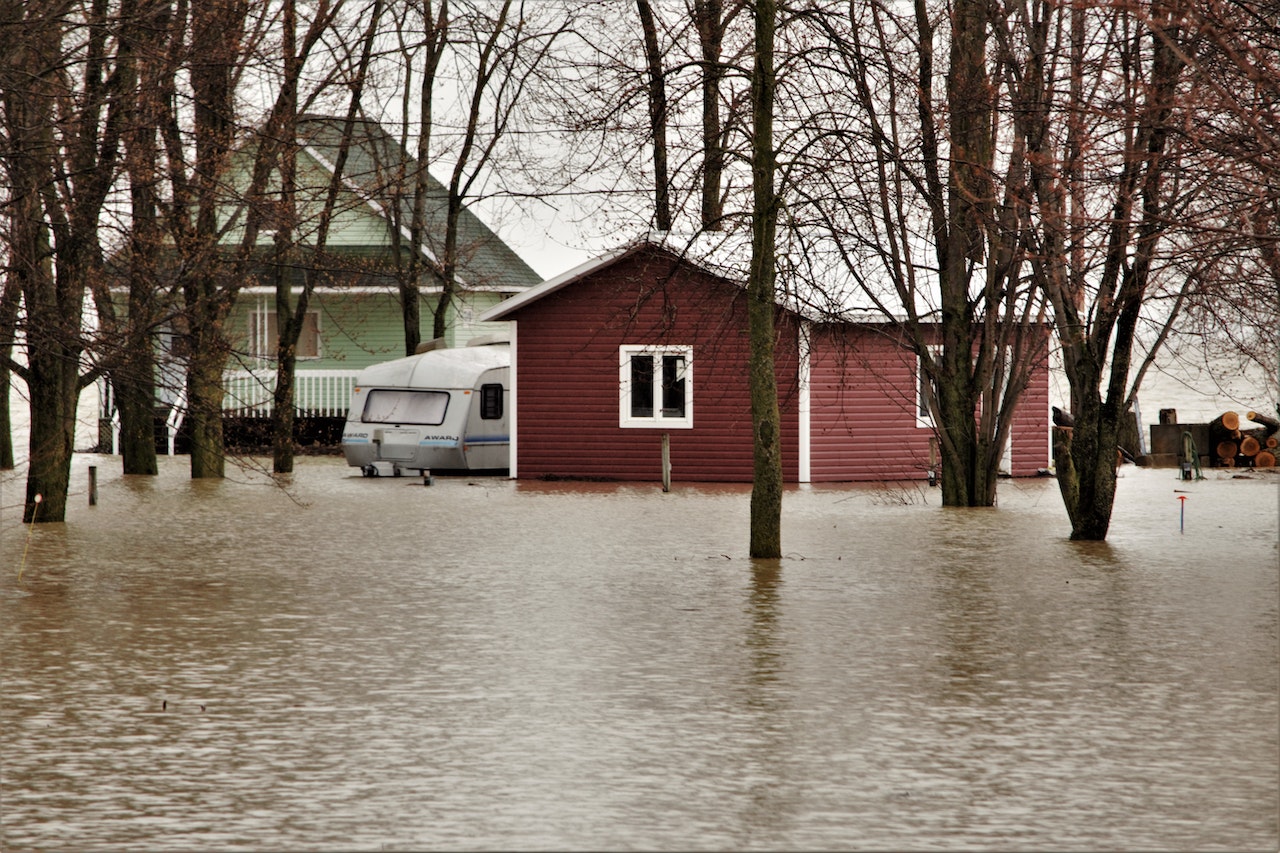
Water Damage Cleanup: DIY or Seek Professional Help
Water damage can strike unexpectedly, causing havoc in your home. While some minor water damage incidents can be addressed through DIY cleanup efforts, it’s important to know when to handle it yourself and when to call in the professionals. In this article, we will provide guidance on how to handle water damage cleanup as a DIY project, while also highlighting the situations where professional help is necessary. By understanding the scope of the damage and considering safety and effectiveness, you can make informed decisions and ensure proper restoration of your home.
DIY Water Damage Cleanup
- Safety First:
- Before attempting any water damage cleanup, ensure your safety by turning off the power supply to affected areas. Water and electricity are a dangerous combination.
- Wear protective gear such as gloves, boots, goggles, and a mask to protect yourself from potential contaminants in the water.
- Assess the Extent of the Damage:
- Evaluate the affected area and determine the scope of the water damage. If the damage is localized, such as a small area of wet carpet or a minor leak, it may be suitable for DIY cleanup.
- However, if the water damage is extensive, involves large amounts of water, or affects structural elements like walls or ceilings, it’s best to seek professional help.
- Remove Standing Water:
- Use buckets, mops, or wet/dry vacuums to remove standing water from the affected area. Open windows and use fans or dehumidifiers to aid in drying.
- Take caution if the water is contaminated or if there are electrical hazards present. In such cases, it’s advisable to call professionals for cleanup.
- Dry and Dehumidify:
- Proper drying is crucial to prevent mold growth and further damage. Use fans, dehumidifiers, and natural ventilation to dry the area thoroughly.
- Monitor humidity levels with a hygrometer and ensure they are within acceptable ranges (typically below 50%).
- Clean and Disinfect:
- Clean and disinfect the affected surfaces to remove any bacteria or contaminants. Use appropriate disinfectants or cleaning solutions recommended for water damage restoration.
- Pay attention to hidden or hard-to-reach areas where moisture may have penetrated, such as behind walls or under flooring.
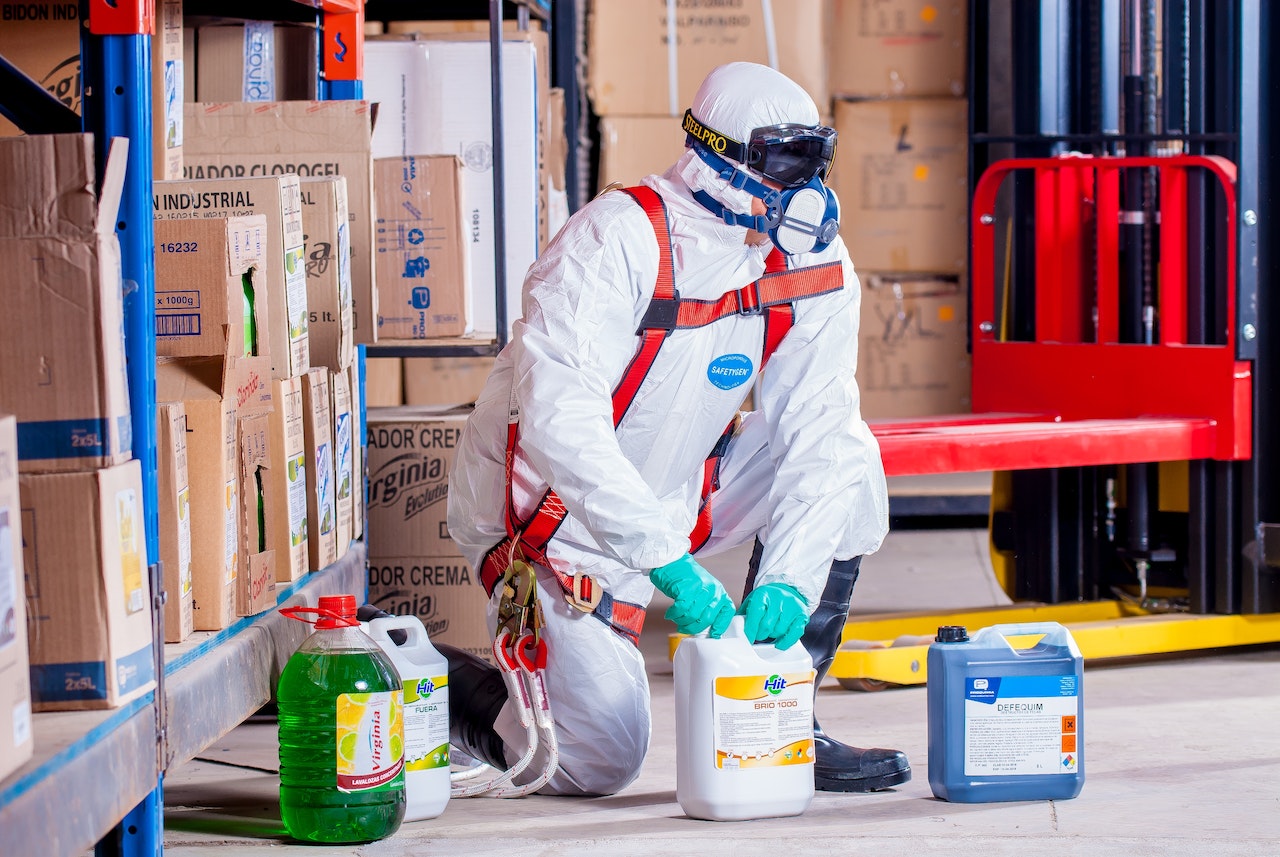
When to Seek Professional Help
- Extensive Water Damage:
- If the water damage is widespread, involves multiple rooms, or affects structural components, it’s best to call professional water damage restoration experts.
- Professionals have the necessary equipment, expertise, and resources to handle large-scale water damage restoration effectively.
- Contaminated Water:
- If the water damage involves sewage backups, contaminated sources, or unknown water sources, professional help is crucial. They have the knowledge and equipment to handle hazardous materials safely.
- Mold Growth:
- If you notice mold growth or suspect its presence, it’s important to consult professionals. Mold can pose health risks, and proper remediation requires specialized techniques and expertise.
- Structural Damage:
- Any signs of structural damage, such as sagging ceilings, buckling floors, or compromised walls, warrant professional assessment. They can evaluate the structural integrity and recommend appropriate repairs.
- Insurance Claims:
- In cases where insurance claims are involved, it’s advisable to engage professional water damage restoration services. They can provide detailed documentation of the damage and assist with the claims process.
Need Water Damage Cleanup? – ACT FAST!
Handling water damage cleanup as a DIY project is possible for minor incidents, but knowing the limitations is crucial. Assess the extent of the damage, prioritize safety, and consider the scope of the restoration required. When dealing with extensive damage, contaminated water, mold growth, structural issues, or insurance claims, it’s best to enlist the help of professional water damage restoration experts. They have the expertise, equipment, and resources to ensure thorough cleanup, proper restoration, and mitigate potential health risks. By making informed decisions, you can protect your property and restore your home to its pre-damage condition effectively.