
Structural Drying: Essential Steps in Water Damage Restoration
Water Damage Restoration – 24/7 Emergency Services
Structural Drying
When facing water damage in your home or property, it’s crucial to understand the concept of structural drying. This process plays a vital role in water damage restoration, ensuring that affected structures are thoroughly dried to prevent further damage and mitigate potential risks. In this article, we will delve into what structural drying entails, its importance in water damage cleanup, and the key steps involved. By familiarizing yourself with this essential aspect of restoration, you can make informed decisions and take appropriate actions when dealing with water-related emergencies.
Understanding Structural Drying
Structural drying refers to the systematic process of removing excess moisture from building materials and structural components affected by water damage. It aims to restore the affected area to its pre-damage condition, minimizing the risk of structural deterioration, mold growth, and other associated problems. Structural drying focuses on addressing both visible and hidden moisture within the affected materials.
The Importance of Structural Drying in Water Damage Restoration
Preventing Structural Damage:
Excessive moisture can compromise the integrity of building materials, leading to structural damage. By implementing proper structural drying techniques, the excess moisture is effectively removed, minimizing the potential for long-term structural issues.
Mitigating Mold Growth:
Moisture provides an ideal environment for mold growth. By promptly and thoroughly drying affected structures, the risk of mold infestation is significantly reduced. This helps safeguard the health of occupants and prevents the need for extensive mold remediation efforts later on.
Minimizing Secondary Damage:
Water damage can cause secondary issues such as warping, swelling, and deterioration of materials. Effective structural drying helps minimize these problems, preserving the structural integrity and extending the lifespan of affected components.
The Steps Involved in Structural Drying
Assessment and Moisture Mapping:
Trained professionals conduct a comprehensive assessment of the affected area, identifying the extent of water damage and determining the moisture content of various materials. Moisture mapping is performed to create a visual representation of the affected areas, guiding the drying process.
Water Extraction:
Before initiating structural drying, water extraction is carried out to remove standing water using specialized equipment such as pumps and extractors. This step helps expedite the drying process and prevents further saturation of materials.
Dehumidification:
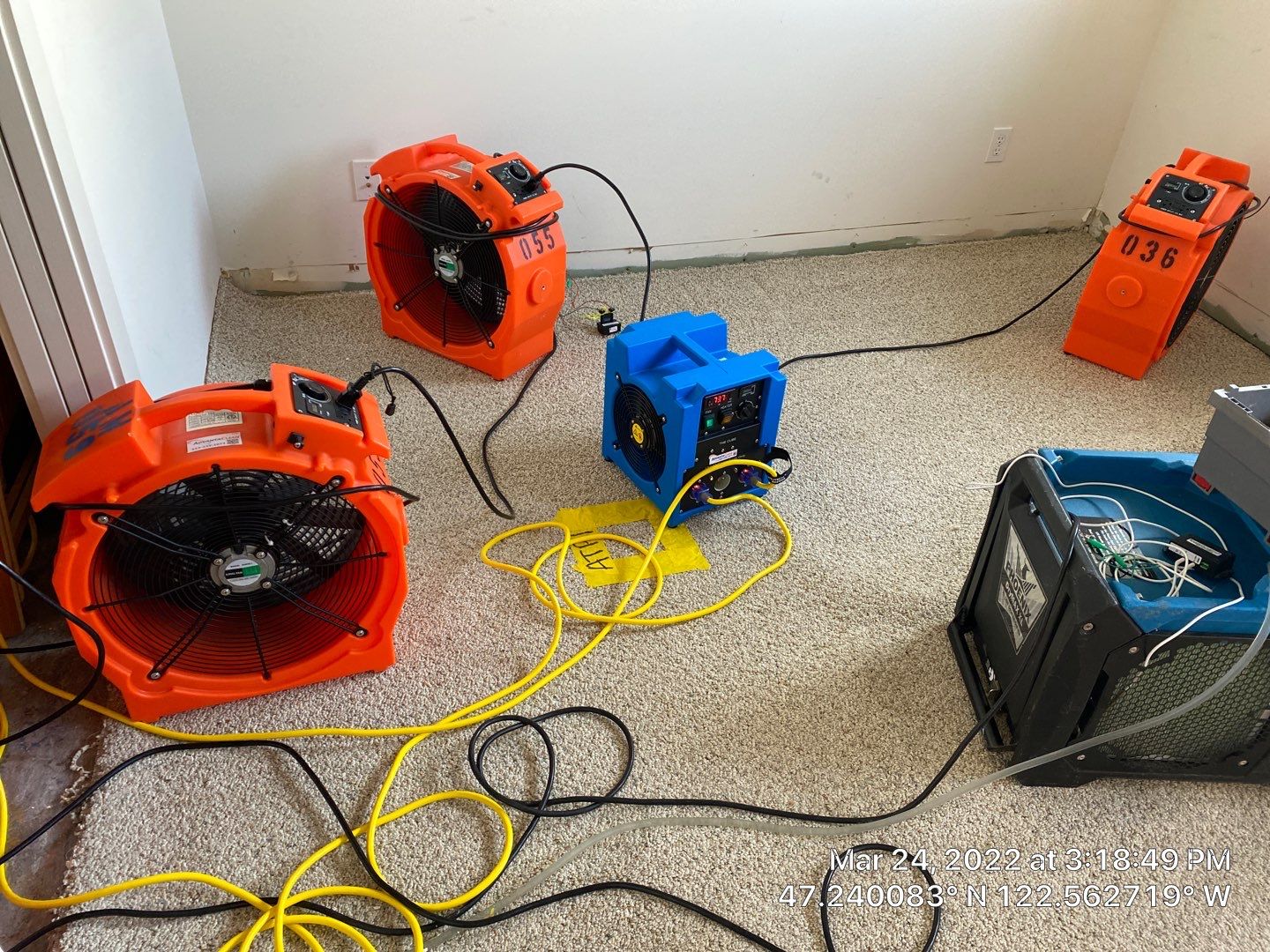
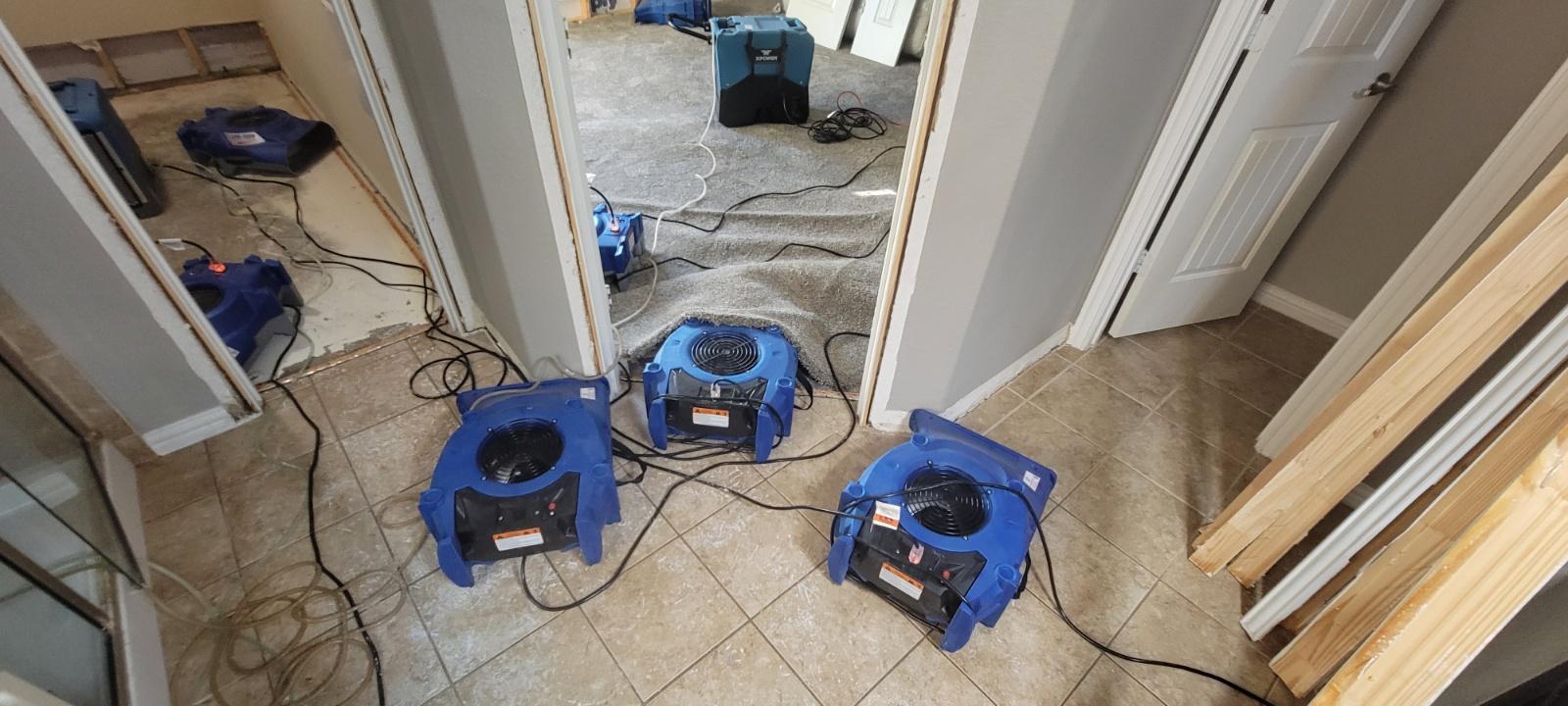
Industrial-grade dehumidifiers are strategically placed to draw moisture from the air and accelerate the drying process. These powerful machines create a controlled environment, effectively reducing humidity levels and promoting evaporation.
Air Movement:
High-velocity air movers are utilized to enhance airflow and facilitate evaporation. Proper air circulation aids in drying structural components and prevents the stagnation of moisture.
Monitoring and Documentation:
Throughout the drying process, professionals monitor the progress using moisture meters and thermal imaging technology. Regular assessments ensure that the drying objectives are being met. Documentation of moisture levels and progress is crucial for insurance purposes and validating the completion of restoration.
Need Structural Drying? – ACT FAST!
Structural drying is a vital component of water damage restoration, playing a crucial role in preserving the integrity of your property and minimizing potential risks. Understanding the concept and importance of structural drying empowers homeowners to make informed decisions and collaborate effectively with professional restoration teams. By promptly initiating structural drying and relying on trained professionals, you can mitigate further damage, prevent mold growth, and restore your property to its pre-damage condition. Remember, swift action is key when dealing with water damage to ensure effective structural drying and successful water damage restoration.